The comment section is the brief: the working method behind every account you envy
Duolingo's team said it four different ways over two years. Nutter Butter's team built a million-follower account on it in nine weeks. Underneath the chaos everyone imitates sits a boring, repeatable loop: read the comments, treat them as the assignment, answer fast. Here is that loop as an operating procedure for a team of one.
Strip the owl costume and the surreal cookie videos away from the most-studied brand accounts of the decade and what remains is not a tone of voice. It is a workflow, and it is described, in almost identical words, by the people who ran those accounts.
Duolingo's social lead, across several interviews: “A lot of our social is just what our community wants us to do. We're very fast with reaction.” The company's executives, repeatedly: the comment section is our social brief. The Dentsu manager behind Nutter Butter's run from three thousand to a million TikTok followers in nine weeks: “We were really just riffing off of that and giving them exactly what they were asking for.” Different brands, different agencies, same sentence.
This article turns that sentence into a procedure you can run alone, in about forty minutes a day, without a mascot and without being funny.
Why comments beat every other source of ideas
A comment is a person telling you, unprompted and in their own words, what made them stop scrolling. It carries three things a brainstorm cannot produce: the actual vocabulary your audience uses, the actual objection blocking the actual purchase, and proof that at least one human cares about the subject. Content built from comments starts with demand attached.
It also compounds. Answering a comment produces engagement, engagement produces distribution, distribution produces more comments, and the loop feeds itself. The accounts everyone studies did not go looking for ideas and then, separately, do community management. The community management WAS the ideation.
The daily loop, in four passes
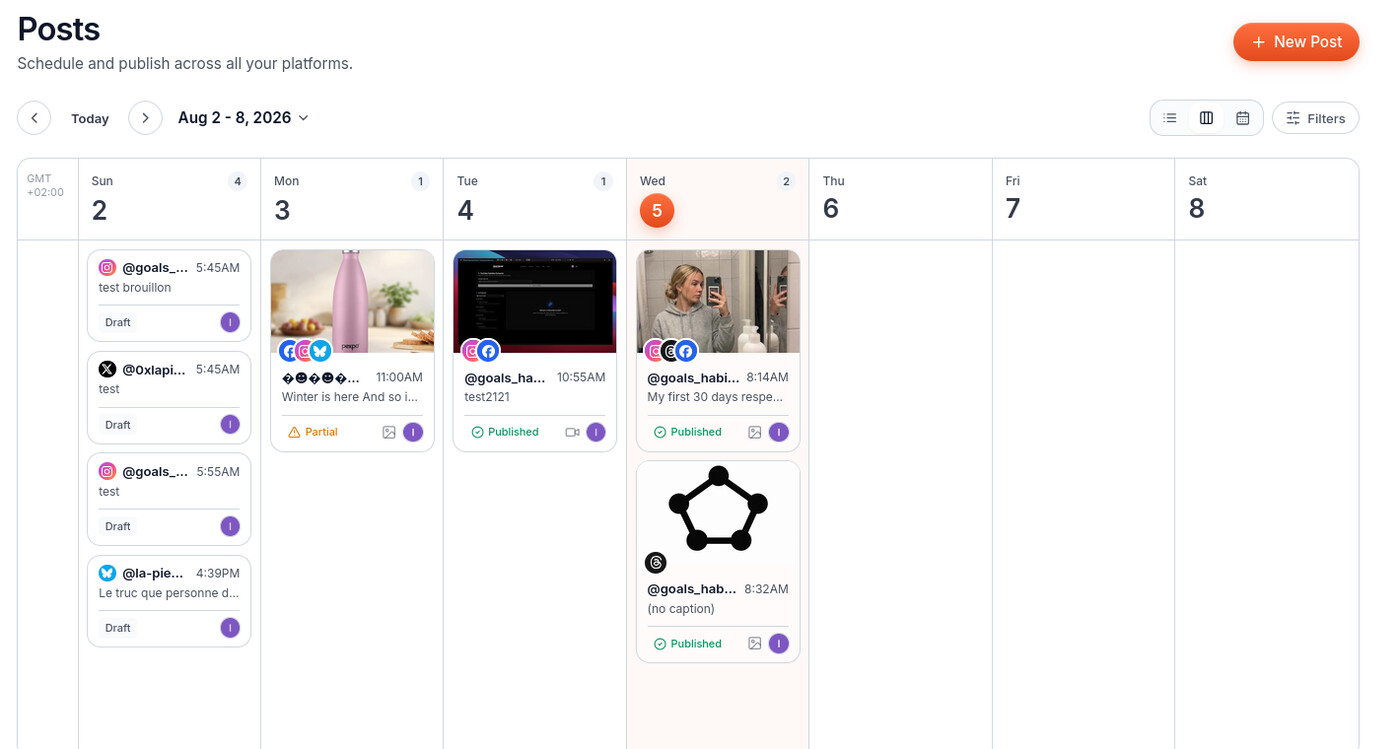
Pass one: triage, ten minutes. Read everything that arrived since yesterday, across every platform. Sort into three piles: needs an answer (questions, complaints), is a signal (recurring themes, surprising reactions), and is noise. If reading everything takes more than ten minutes, your volume has outgrown app-switching and you need the comments in one place; that is a tooling problem, not a discipline problem.
Pass two: answer the hard ones first. Complaints before compliments, public before private, oldest first. The Nutter Butter team's brand manager quoted a comment that captures the payoff: “I bought Nutter Butter today. I haven't bought one in 30 years.” That comment exists because someone was answering.
Pass three: harvest. Once a day, write down, verbatim, the two or three most interesting things people said: a question two people asked the same week, a misunderstanding about your product, a joke that landed. Verbatim matters: their phrasing is the future post's hook, and paraphrasing launders the life out of it.
Pass four: make one thing from the harvest. The recurring question becomes a post that answers it. The misunderstanding becomes a demonstration. The joke becomes a reply-post. Duolingo's team was explicit about the standard: they posted three to five times a week, but only when there was an original idea, and sometimes just once. The harvest sets the pace; the calendar does not.
The speed constraint, and why it is structural
Every practitioner in this school gives the same number: about a week from idea to published, and reactive replies within hours. Duolingo's lead on why there is no agency in the loop: “Turnaround time is a week. I'm not waiting two months.” This is not impatience. A comment-driven idea has a shelf life: answer a Tuesday question the following month and you are archaeology.
For a team of one, the practical implication is inverted: do not build a four-week content calendar. Keep a two-week horizon at most, leave slots deliberately empty, and let the harvest fill them. A full calendar guarantees that everything you publish was decided before anything happened.
What this method does not require
It does not require being unhinged: the mechanism (listen, answer, harvest, make) works in a sober voice selling accounting software, because the mechanism is responsiveness, not comedy. It does not require volume: one good comment-born post a week beats five calendar-born ones. And it does not require a team: it was designed under a constraint of three to six people running accounts with millions of followers, which means it runs fine with one person and hundreds.
What it does require is that reading and answering be cheap enough to happen daily. If your comments live in six apps, pass one alone eats the forty minutes. That, honestly, is the product category we work in, and the reason we wrote this playbook down: we would rather you run the method, with whatever tool makes it sustainable.
Manage all your social media in one place with Echoia
Three accounts on the free plan. No card, no trial countdown.